Taxes for Kenyans Abroad (2026): Residency, the New 30% Rental Tax and What You Owe
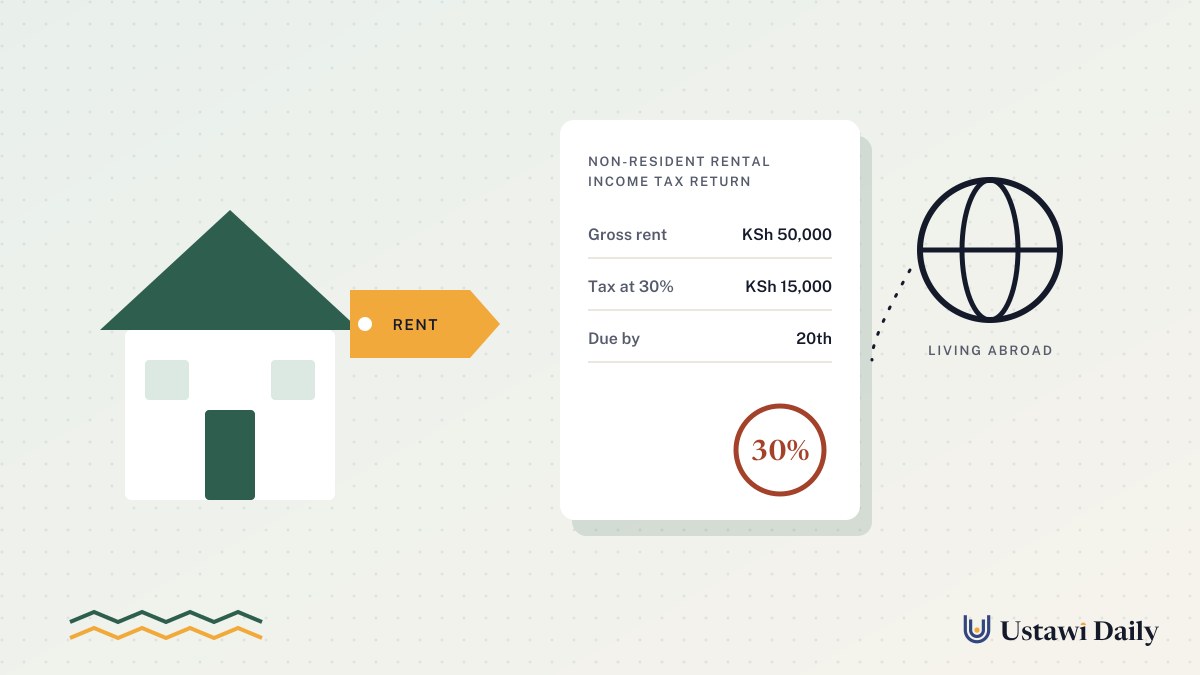
DIASPORA DESK · FINANCE
If you live abroad but earn money in Kenya from rent, savings or investments, Kenya can tax it. And since July 2026, diaspora landlords face a new 30% tax on gross rent. Here is a clear guide to taxes for Kenyans abroad: who counts as a resident, what you owe on each type of income, and how to stay compliant.
Many Kenyans abroad are unsure whether they owe tax in Kenya at all. Some assume that living overseas means Kenya cannot tax them. Others pay more than they need to, or miss deadlines and face penalties. The truth sits in between, and it depends on two things: whether you are a tax resident of Kenya, and where your income comes from.
This guide explains taxes for Kenyans abroad in plain language. Tax law is detailed and personal, so use it to understand your position, then confirm the specifics with KRA or a tax adviser.
Key takeaways
- Kenya taxes residents on their worldwide income and non-residents only on income from Kenya.
- Residency depends mainly on where you have a home and how many days you spend in Kenya, not on your citizenship.
- Watch the “permanent home” trap: a home in Kenya that is available for you to live in, combined with even a short visit, can make you a Kenyan tax resident.
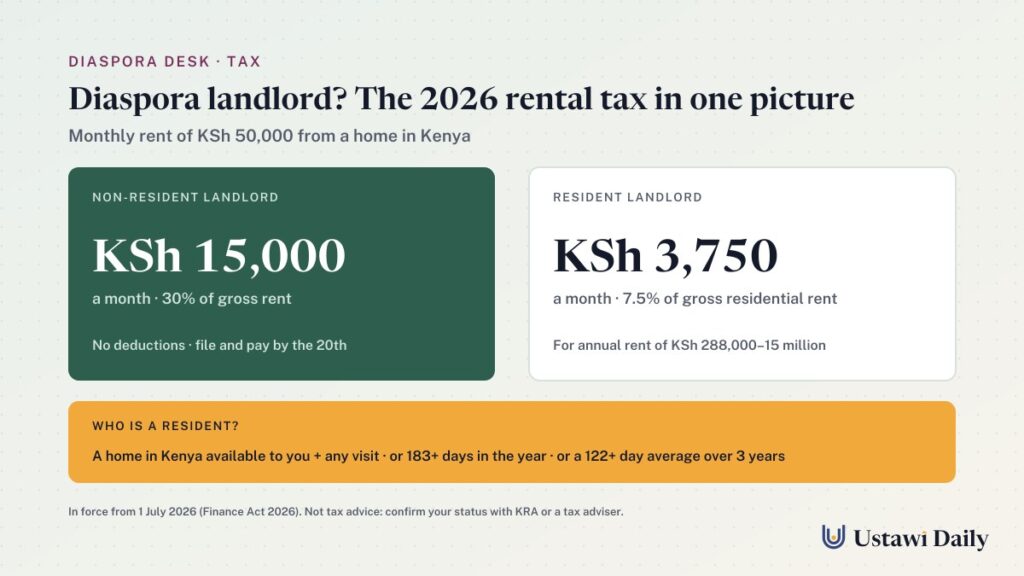
- From 1 July 2026, non-resident landlords pay 30% of gross rent, filed and paid monthly by the 20th, with no deductions for expenses. Resident landlords pay 7.5% on qualifying residential rent.
- For most non-residents, tax on interest, dividends, Treasury bills and money market funds is withheld at source, usually at 15%, as a final tax.
- Kenya has tax treaties with several countries, including the UK, Canada and Germany, but not with the United States.
Step one: are you a tax resident of Kenya?
Under Kenya’s Income Tax Act, you are a tax resident for a year if any of these apply:
- You have a permanent home in Kenya and were present in Kenya for any period during the year; or
- You have no permanent home in Kenya but were present for 183 days or more in the year; or
- You were present in Kenya in the year and in each of the two previous years for an average of more than 122 days a year.
If none of these apply, you are a non-resident. Most Kenyans who have lived and worked abroad for years, without a home in Kenya kept available for their own use, are non-residents.
The permanent home trap. Since the Finance Act 2022, a permanent home includes a place in Kenya where you live or that is available to you for residential purposes. So if you keep a house in Kenya that you can stay in whenever you visit, even a short holiday at home could make you a tax resident for that year. If that applies to you, get professional advice, because residency changes how your income is taxed.
Why it matters: residents are taxed on worldwide income, while non-residents are taxed only on income from Kenya. A resident who also pays tax abroad may be able to claim a credit, under a tax treaty or under Kenya’s own rules for citizens.
Taxes for Kenyans abroad: how each type of income is taxed
For non-residents, most investment income is taxed through withholding tax: the payer deducts the tax before paying you, and for a non-resident without a business presence in Kenya, that tax is usually final.
| Income from Kenya | Non-residents | Residents |
|---|---|---|
| Rent from property in Kenya | 30% of gross rent (from 1 July 2026) | 7.5% of gross residential rent, for annual rent between KSh 288,000 and KSh 15 million |
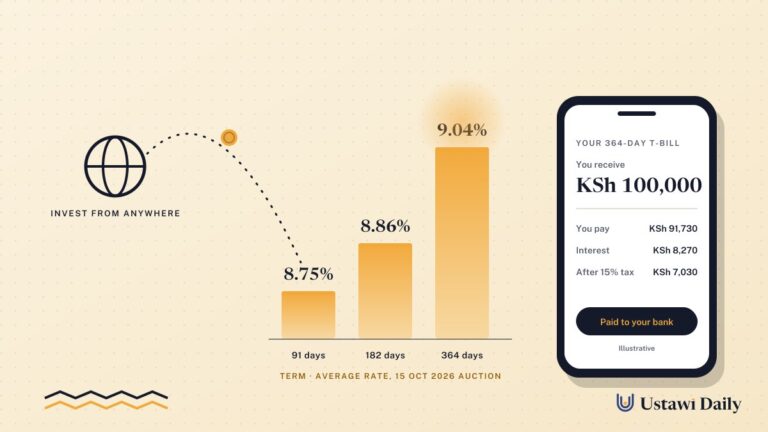
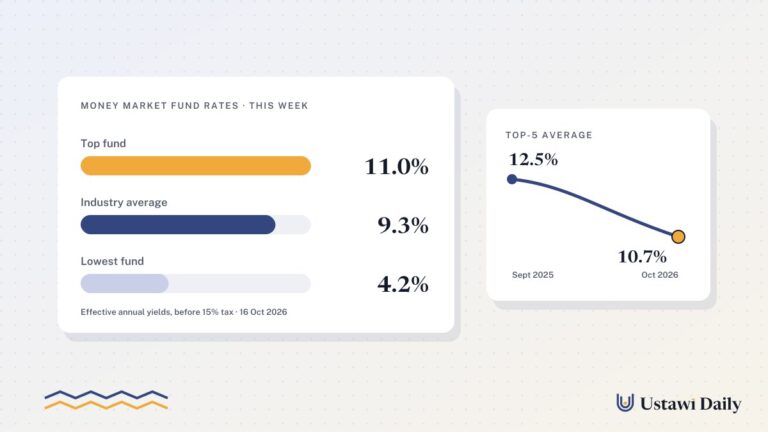
| Interest (bank deposits, Treasury bills, money market funds) | Generally 15% | Generally 15% (rates on some bonds differ) |
| Dividends from Kenyan companies | 15% | 5% on qualifying dividends |
| Gains on selling NSE-listed shares | Exempt | Exempt |
| Gains on selling land or buildings | Capital gains tax at 15% | Capital gains tax at 15% |
| Salary from work done abroad | Not taxed in Kenya | Taxable in Kenya, with credit possible for foreign tax paid |
Rates as of October 2026. Some investments have their own rules, for example infrastructure bonds, which have historically been tax-exempt; check each prospectus.
The new 30% tax on diaspora rental income
This is the biggest change for Kenyans abroad in 2026. The Finance Act 2026, signed on 23 June 2026, created a non-resident rental income tax, which took effect on 1 July 2026. KRA confirmed the rules in September 2026.
- Who pays: non-residents who earn rent from property in Kenya, residential or commercial.
- Rate: 30% of the gross rent. You cannot deduct expenses such as agent fees, security or repairs before calculating the tax.
- When: you register under KRA’s simplified framework, then file a return and pay by the 20th of the month after the month the rent is paid.
- Exception: the tax does not apply to rent that is already taxed through withholding, for example where a tenant or appointed agent withholds the tax and pays it to KRA. You should not pay tax twice on the same rent.
An example: if your Nairobi apartment earns KSh 50,000 a month, the tax is KSh 15,000 a month (KSh 180,000 a year), whatever you spend on managing the property. A resident landlord with the same rent would pay about KSh 3,750 a month at 7.5%.
What to do: list each rental property, check how your rent is currently being taxed, register with KRA if you need to, and set up a reliable way to file and pay every month, for example through a tax agent or your property manager. Keep copies of every return and receipt.
Your KRA PIN and filing returns
- Keep your KRA PIN active. You need it to buy or sell land, open bank and investment accounts, and register property.
- Annual returns: KRA expects people with a PIN to file an annual income tax return by 30 June, including a nil return if you had no taxable income to declare. If all your Kenyan income has already had final tax withheld, ask KRA or a tax adviser what you need to file.
- Penalties: late filing attracts penalties, and interest is charged on unpaid tax. It is usually cheaper to sort out a backlog voluntarily than to wait for KRA to contact you.
- Filing from abroad is done online through KRA’s iTax portal.
Avoiding double tax: treaties and credits
If you pay tax on the same income in two countries, there are two main reliefs:
- Double taxation agreements. Kenya has tax treaties with several countries, including the United Kingdom, Canada, Germany, France, India, South Africa, Denmark, Norway, Sweden and the United Arab Emirates. Treaties decide which country can tax which income, and can reduce withholding rates.
- Foreign tax credits. Kenyan law allows citizens who are tax residents to claim credit for tax paid abroad on certain income.
For Kenyans in the United States: there is no tax treaty between Kenya and the US. The US taxes its citizens and residents on worldwide income, and may give a foreign tax credit for Kenyan tax paid. A US tax adviser can confirm how your Kenyan income should be reported.
Other taxes for Kenyans abroad to know
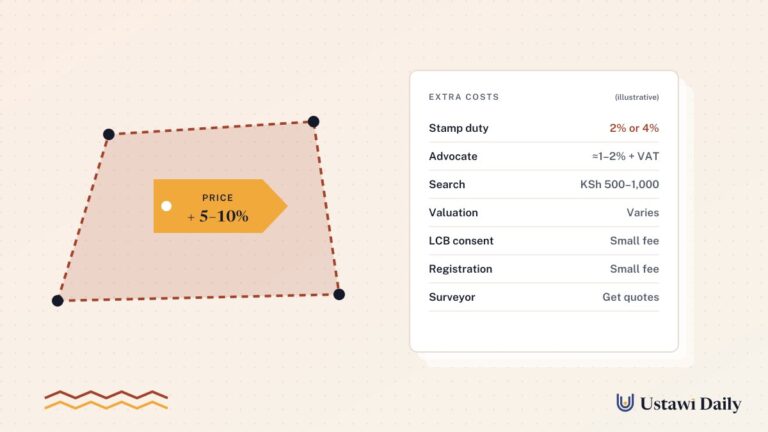
- Stamp duty when you buy land or property: generally 4% in municipalities and 2% in rural areas. See our guide on verifying a title deed in Kenya from abroad.
- Capital gains tax at 15% when you sell land or buildings at a gain.
- No inheritance tax: Kenya does not currently tax inheritances, though transferring a deceased person’s property still involves legal costs and, in some cases, stamp duty.
Frequently asked questions
What taxes do Kenyans abroad pay in Kenya?
If you are a non-resident, you pay Kenyan tax only on income from Kenya, such as rent, interest and dividends, mostly through withholding tax. Salary earned abroad is not taxed in Kenya if you are a non-resident.
How is rental income taxed for Kenyans living abroad?
Since 1 July 2026, non-resident landlords pay 30% of gross rent, filed and paid by the 20th of the following month, unless the rent has already been taxed through withholding.
Can owning a house in Kenya make me a tax resident?
It can. A home in Kenya that is available for you to live in counts as a permanent home, and combined with any visit during the year, it can make you a tax resident. Get professional advice if this applies to you.
Does Kenya have a tax treaty with the US?
No. Kenya has treaties with the UK, Canada, Germany and several other countries, but not with the United States.
Do I need to file KRA returns if I live abroad?
KRA expects PIN holders to file annual returns by 30 June, including nil returns, and non-resident landlords must file the new monthly rental returns. Confirm your obligations with KRA or a tax adviser.
Read next
- How to buy shares on the NSE from abroad
- How to invest in Treasury bills and bonds in Kenya from abroad
- How to open a bank account in Kenya from abroad
- How to invest in Kenya from abroad: the complete guide
Have a tax question as a Kenyan abroad? Email editor@ustawidaily.com with the subject “Question,” and we’ll answer the most common ones in future guides.
Sources: Income Tax Act (Kenya), including the residency tests and the Finance Act 2022 definition of “permanent home”; EY tax alert on the Finance Act, 2026; Kenya Revenue Authority guidance on non-resident rental income (September 2026); PwC Worldwide Tax Summaries, Kenya; National Treasury list of double taxation agreements. Last reviewed: 28 October 2026.
This article is general information, not tax or legal advice. Tax rules change and depend on your circumstances. Confirm your position with the Kenya Revenue Authority or a qualified tax adviser.