How to Invest in Kenya From Abroad (2026): The Complete Diaspora Guide
DIASPORA DESK
Kenyans abroad sent home a record US$5 billion in 2025. Much of it pays for school fees and family support, and many Kenyans abroad want to put more of it to work building wealth. This complete guide shows how to invest in Kenya from abroad: the order to do things in, every major option compared, and the costly mistakes to avoid.
Many Kenyans abroad dream of building wealth back home: a plot, a house, a farm, a portfolio that pays them when they return. Too many lose money along the way, to fraud, to relatives who meant well, or to investments they never fully understood.
The good news is that investing in Kenya from abroad has never been easier or more transparent. You can open accounts online, buy government securities directly from the Central Bank, own shares in Kenya’s biggest companies, and check land records digitally. This guide brings it all together, with links to our detailed step-by-step guides on each topic.
Key takeaways
- Get set up first: a KRA PIN, a Kenyan bank account in your own name, and a low-cost way to send money.
- Build in layers: easy-access savings first, then fixed-income investments, then long-term growth, and only then bigger projects like land and property.
- Options with 2026 returns: money market funds averaged about 9.3%, one-year Treasury bills about 9%, and top SACCOs paid about 11% to 13% on deposits, all before tax.
- Keep control: invest in your own name, through regulated institutions, with your own records. Avoid sending large sums to relatives to invest for you.
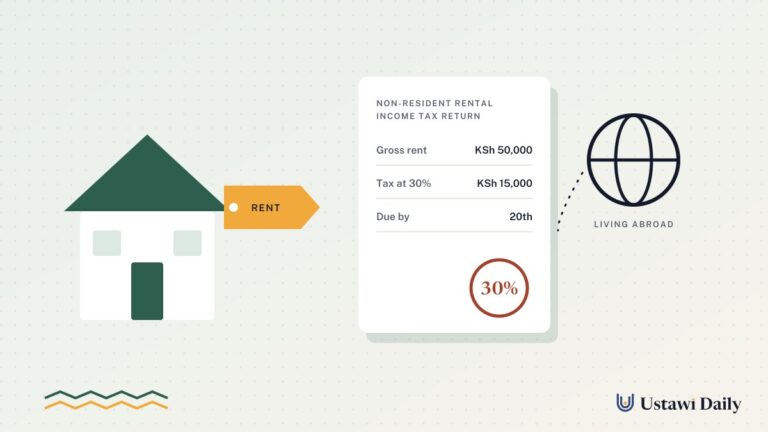
- Remember currency and tax: returns are in shillings, and since July 2026 diaspora landlords pay 30% of gross rent.
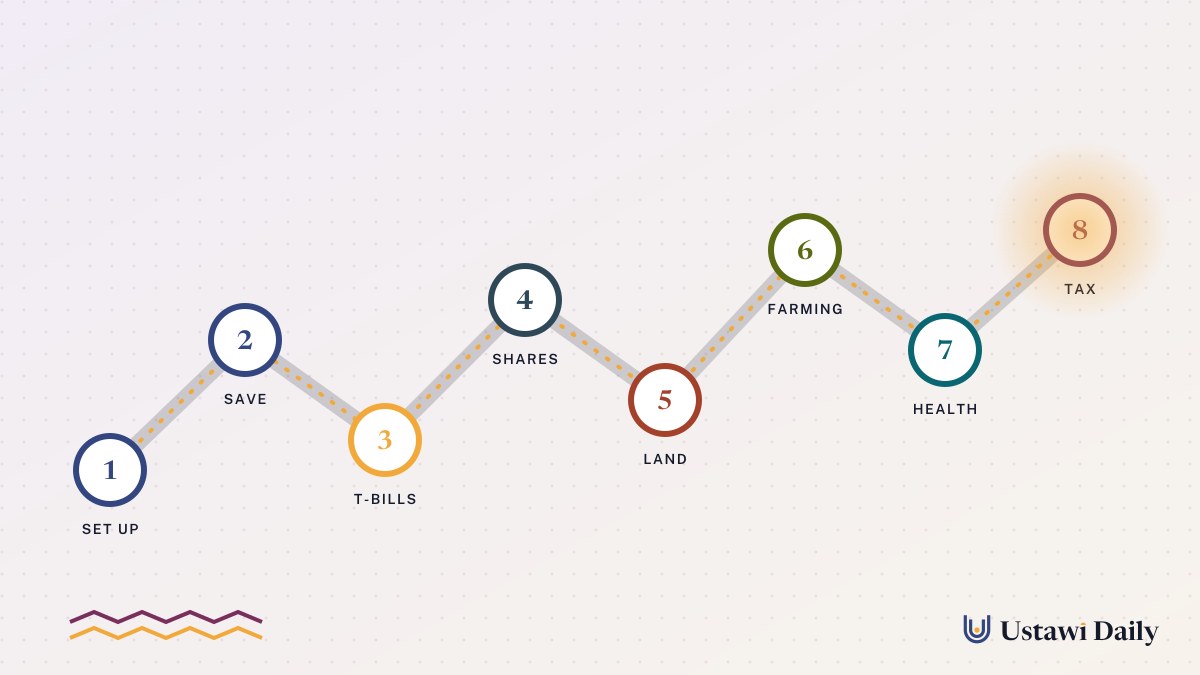
Step 1: Get set up properly
Before you invest a shilling, put three foundations in place:
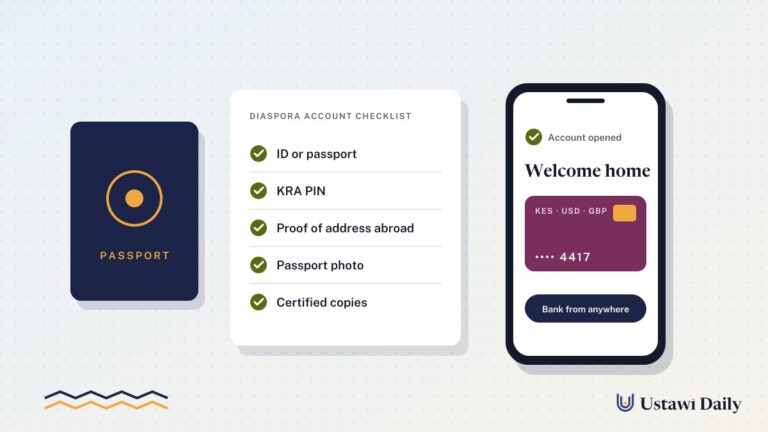
- A KRA PIN. You need it for almost every financial account and every land transaction. You can register online through KRA’s iTax portal.
- A Kenyan bank account in your own name. It is required to invest in Treasury bills through DhowCSD, and it keeps a clear record of every payment. See how to open a bank account in Kenya from abroad.
- A low-cost way to send money. Fees and exchange-rate margins can quietly take several percent of every transfer. See how to send money to Kenya for less.
Step 2: Build easy-access savings
Start with money you can reach quickly, for emergencies or opportunities. Money market funds are low-risk, regulated by the Capital Markets Authority, and usually let you withdraw within one to three working days. In mid-October 2026, the average fund paid about 9.3% a year before the 15% withholding tax.
Read: money market funds in Kenya explained, and our weekly page on money market fund rates in Kenya.
Step 3: Lend to the government for fixed returns
Treasury bills and bonds let you lend directly to the Government of Kenya through the Central Bank’s DhowCSD platform, from anywhere in the world. Bills run for three, six or twelve months; bonds run for years and usually pay interest every six months. The 364-day bill cleared at about 9.04% at the auction of 15 October 2026.
Read: how to invest in Treasury bills and bonds in Kenya from abroad.
Step 4: Invest for long-term growth
For money you can leave for five years or more, two options stand out:
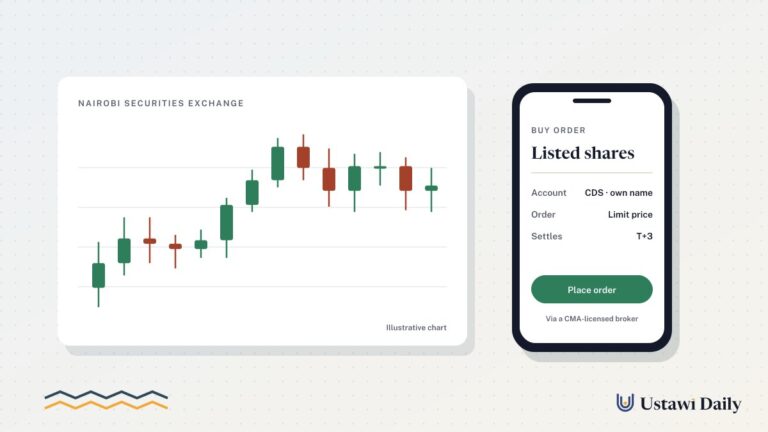
- Shares on the Nairobi Securities Exchange. You can own part of companies such as Safaricom and the big banks, earning dividends and possible price gains. Gains on listed shares are exempt from capital gains tax. Read: how to buy shares on the NSE from abroad.
- SACCOs. Top SACCOs paid about 11% to 13% on deposits for 2025, and membership lets you borrow, often several times your deposits. But deposits are locked in until you leave, and they are not insured. Read: SACCO dividend rates in Kenya.
Step 5: Buy land and property carefully
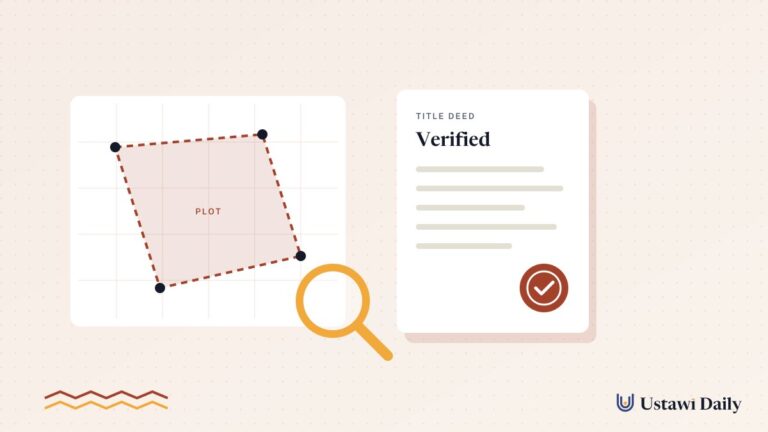
Land and property are where many diaspora investors make their biggest gains, and their biggest losses. Never buy on trust. Run an official land search, confirm the plot on the ground with a licensed surveyor, use an independent advocate, and pay only through an advocate’s client account after every check is complete.
Read: how to verify a title deed in Kenya from abroad. If you plan to rent property out, factor in the new 30% non-resident rental income tax before you calculate your returns.
See also the real cost of buying land, building a house from abroad, diaspora mortgages and checking an off-plan developer.
Step 6: Consider agribusiness, with eyes open
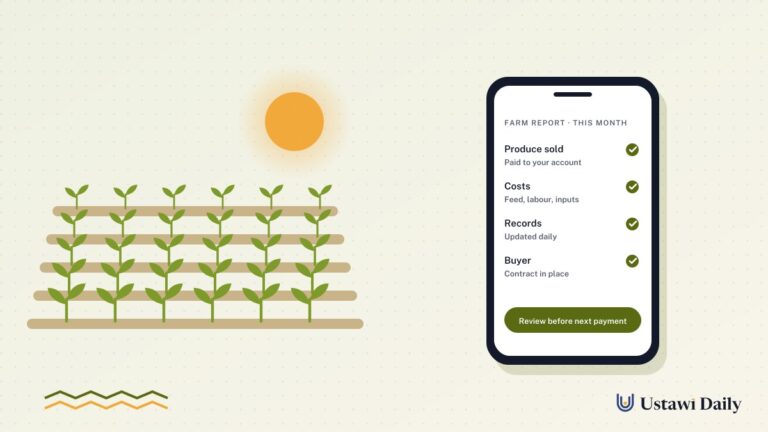
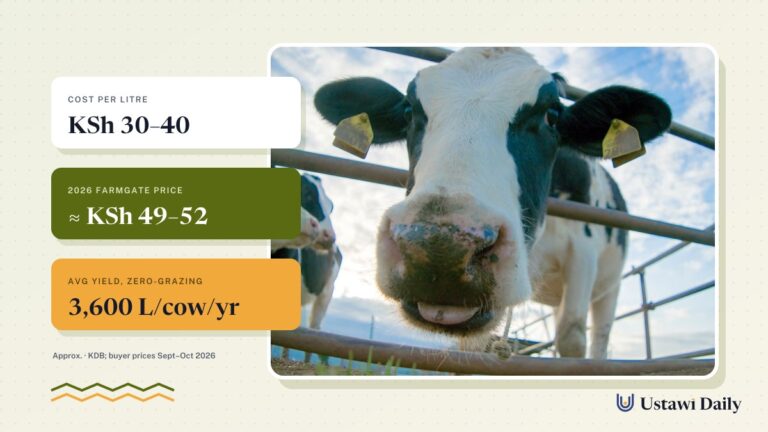
Farming can be profitable, but it needs hands-on management, and distance multiplies every risk. Start small, hire a trusted manager, insist on records, and have income such as milk payments paid directly to your own account.
Read: is dairy farming in Kenya profitable?
See also agribusiness in Kenya from abroad and cutting dairy feed costs with silage.
Step 7: Protect your family’s health
A medical emergency can wipe out years of savings. Make sure family members in Kenya are registered with the Social Health Authority and that contributions are up to date. Since October 2026, you can also sponsor your parents’ cover through SHA’s sponsorship programme.
Read: SHA in Kenya explained.
Step 8: Stay tax-compliant
Most Kenyans abroad are non-residents for tax, which means Kenya taxes only their Kenyan income. Interest and dividends are usually taxed at source, and since 1 July 2026, diaspora landlords pay 30% of gross rent, filed monthly. Watch the “permanent home” rule, which can make you a resident.
Read: taxes for Kenyans abroad.
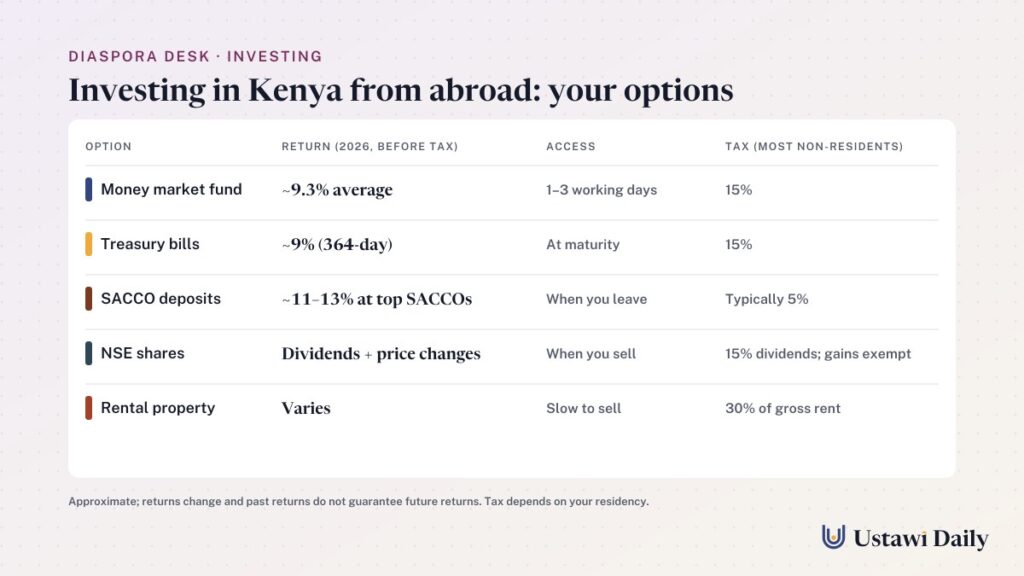
Ways to invest in Kenya from abroad, compared
| Option | Typical return (2026, before tax) | Risk | Access to your money | Tax for most non-residents |
|---|---|---|---|---|
| Money market fund | About 9.3% average | Low | Usually 1 to 3 working days | 15% withholding |
| Treasury bills | About 9% (364-day) | Low | At maturity (3 to 12 months) | 15% withholding |
| Treasury bonds | Varies by bond | Low to moderate | At maturity, or sell on the market | Varies; infrastructure bonds historically exempt |
| SACCO deposits | About 11% to 13% at top SACCOs | Moderate | Usually only when you leave | Typically 5% for members; check your status |
| NSE shares | Dividends plus possible price gains or losses | Higher | When you sell (usually a few days) | 15% on dividends; gains exempt |
| Rental property | Depends on location and costs | Moderate to high | Slow to sell | 30% of gross rent |
Returns are approximate and change over time; past returns do not guarantee future returns. Tax depends on your residency and circumstances.
Costly mistakes to avoid when you invest in Kenya from abroad
- Sending money to relatives to invest for you. Even honest relatives can make mistakes, and the investment may end up in their name. Invest in your own name, through regulated institutions.
- Buying land on trust. Fake titles and double sales are common. Follow every verification step.
- Chasing “guaranteed” high returns. Schemes promising far more than Treasury bills or money market funds are usually too risky or outright fraud. Check that firms are licensed by the Capital Markets Authority, the Central Bank of Kenya or SASRA.
- Keeping no records. Keep statements, receipts and contracts for every investment.
- Putting everything in one place. Spreading money across several options reduces the damage if one goes wrong.
- Ignoring currency. If you will spend the money abroad, a weaker shilling reduces its value. If you plan to retire or build in Kenya, this matters less.
Frequently asked questions
What is the best way to invest in Kenya from abroad?
There is no single best option. Most diaspora investors start with easy-access savings such as a money market fund, add Treasury bills or bonds for fixed returns, then consider shares, SACCOs and property for long-term growth, depending on their goals and timeframe.
Can I invest in Kenya from abroad without travelling home?
Yes. You can open bank, money market fund, CDS and DhowCSD accounts remotely, and run official land searches online for registries on Ardhisasa. Some steps, such as inspecting land, need a trusted professional on the ground.
How much do I need to start investing in Kenya?
Some money market funds accept as little as KSh 100 to KSh 1,000. Treasury bills start at KSh 50,000 in face value. Land and property need far more.
Is investing in Kenya safe for diaspora investors?
Regulated options, such as Treasury bills, licensed money market funds and NSE shares bought through licensed brokers, are designed to protect investors, but none is risk-free. Most losses come from fraud and unregulated schemes, so verify every institution and keep control of your investments.
Read next
- How to open a bank account in Kenya from abroad
- How to invest in Treasury bills and bonds in Kenya from abroad
- Taxes for Kenyans abroad
Investing from abroad and need a guide we haven’t written yet? Email editor@ustawidaily.com with the subject “Question,” and we’ll prioritise the topics readers ask about most.
Sources: Central Bank of Kenya (diaspora remittances and Treasury bill auction results); Business Daily (money market fund returns, October 2026); Sacco Societies Regulatory Authority (SASRA) and SACCO announcements; Capital Markets Authority; Kenya Revenue Authority and the Finance Act, 2026; Social Health Authority. Full sources are listed in each linked guide. Last reviewed: 28 October 2026.
This article is general information, not financial, tax or legal advice. Investments can lose value. Consider your own circumstances and speak to licensed professionals before investing.